Custom insoles might be worth it for your running. If you’re already wearing some type of insole, there’s a big opportunity to improve your experience (and reduce your injury risk).
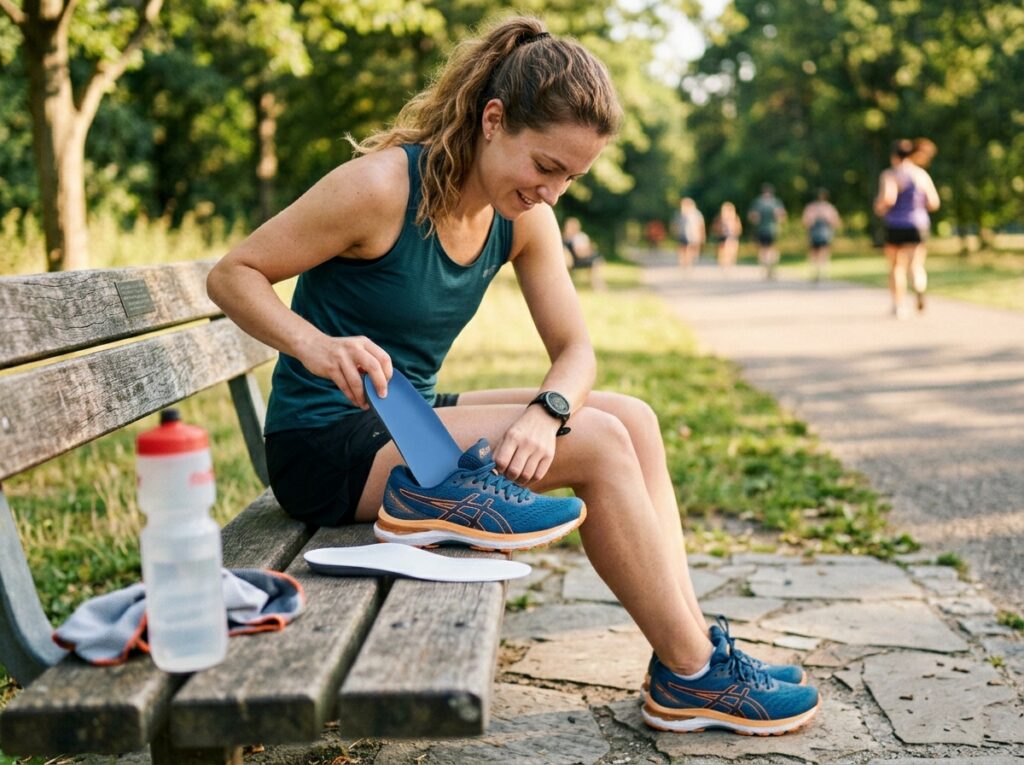
But let me be clear: I’m somewhat against the idea of wearing insoles. If you don’t currently wear them and aren’t having any issues with your feet or lower legs, you probably don’t need them.
I remember my first season of collegiate cross country because it was painful. I injured the arch of my right foot trying to run 70 miles per week and a podiatrist fitted me with a pair of rigid, custom-built orthotics that tried to alter how I ran.
This was my first experience with any type of insole – and it did not go well. They were bulky, made my shoes feel weird, and soon gave me a case of shin splints I’d rather forget.
Within weeks, my orthotics were in a landfill (my parents were not thrilled with this decision after paying for them…).
Since then, I’ve been mostly hostile to the idea of runners needing insoles. But after 16+ years of coaching experience with runners who swear by them, I looked at the evidence and was pleasantly surprised. Brands like Kila, Currex, and Superfeet all promise to help your running.
So let’s figure out what exactly we’re talking about – and whether you might be a good candidate for custom insoles.
What Are Insoles?
There are three broad categories of insoles that offer varying levels of efficacy:
- Orthotics customized to fit your feet by a podiatrist. They are expensive.
- Insoles customized to fit your feet. They don’t cost nearly as much.
- Insoles sold as-is in many pharmacies. They are relatively inexpensive.
Most runners should avoid #3, the standard insole you can buy at any CVS, Walgreens, or other pharmacy, unless you’re only interested in some extra cushion. They don’t offer much else. After coaching more than 1,000 runners since 2010 I can tell you that none of them wore store-bought insoles.
But custom-made insoles or orthotics are measured to your unique foot shape (length, width, arch height, etc.). Because they’re personalized to your specific anatomy, they offer more benefits.
Those benefits include a reduction in injury risk as well as a reduction in pain and/or fatigue. If you’re an injury-prone runner, a good pair of custom insoles is a smart move.
And unlike the off-the-shelf options, custom insoles are actually backed by science.
Do Custom Insoles Actually Work?

Reviewing the body of literature behind the efficacy of custom insoles provides a clear lesson: there are real benefits to runners.
They consistently improve comfort and are helpful in some contexts at reducing injury risk (especially if you already wear insoles or are symptomatic of foot or lower leg injuries). For example, custom insoles can redistribute plantar load. This is not necessarily helpful for every runner but if you have a history of plantar fasciitis, this is very good news!
A sampling of studies shows that for certain runners, insoles are a no-brainer and show clear benefits:
- Significant reduction in the risk of lower limb injuries and pain by 40%
- Custom insoles reduce plantar loading, making them a protective tool
- Combined with increased cadence and lower drop shoes, custom insoles can optimize mechanical efficiency and reduce injury risk
When I look back at my coaching career, I see a lot of runners who swore by their custom insoles and wouldn’t ever attempt a run without them. They were typically aged 35+ and knew that they had a higher risk of lower limb injuries.
Their direct experience validates what we now know about insoles: for injury-prone runners at risk of a lower limb or foot injury, custom insoles offer an additional layer of protection.
Are Kila Insoles Worth It?
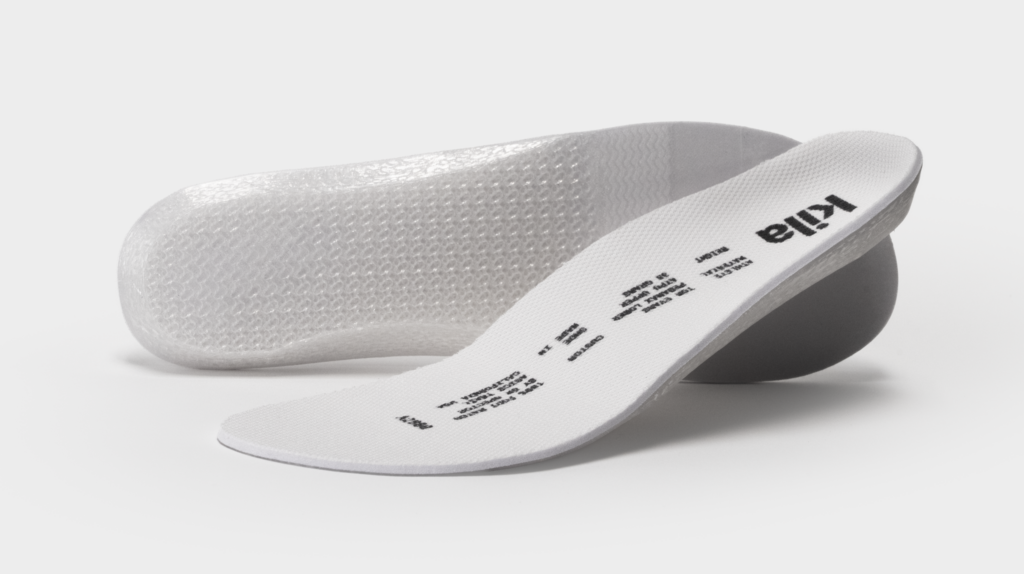
There are a lot of custom insole options out there for runners: Currex, Superfeet, Dr. Scholl’s, and Kila all offer something for distance runners.
But which option is best for you?
For most runners, I recommend Kila for a few important reasons:
- They’re customized to your unique foot shape (without having to go to a podiatry office) – they’re not “off the shelf”
- They use super shoe foam to make their insoles for more cushion and bounce (so they help you run faster)
- Their insoles are 65-70% lighter than their competitors!
After having very heavy custom orthotics in college that gave me blisters, I’ll never wear another pair again. But Kila custom insoles are light, custom-made, and far more comfortable.
They’re also worn by UTMB champ Tom Evans, one of the best ultramarathoners of his generation. If Kila is good enough for Tom, they’re good enough for me!
Are Kila Insoles Right For You?
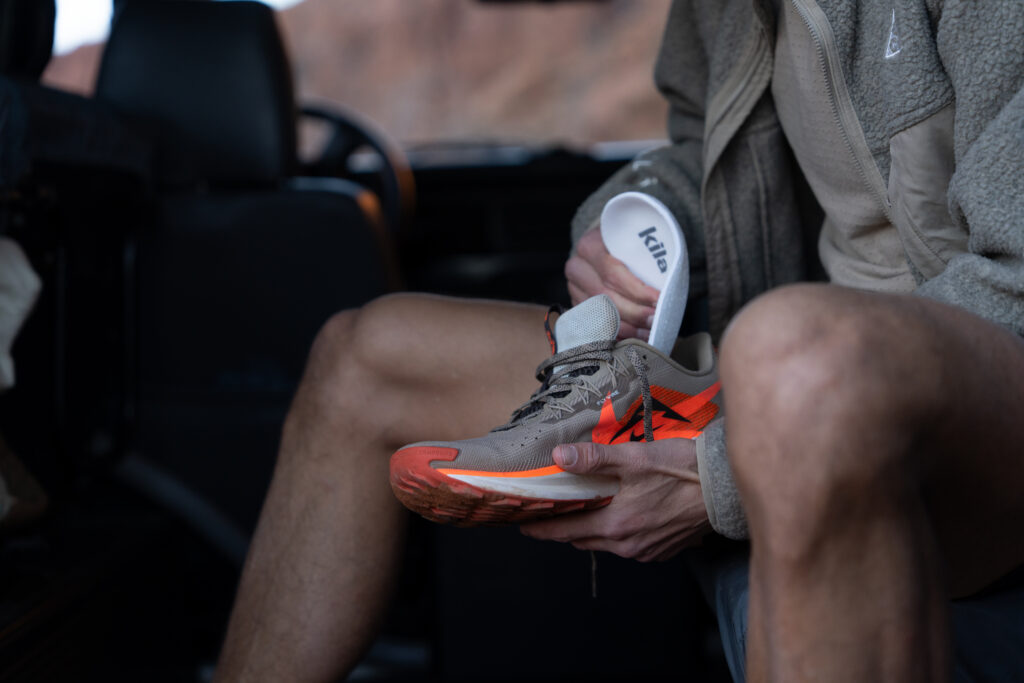
The evidence behind Kila custom insoles is strong: from the background science on custom orthoses, to lived experience by thousands of runners, to my coaching practice since 2010.
But insoles aren’t for everyone – and you shouldn’t buy a pair if you’re young, healthy, and have never worn an insole. You probably don’t need them.
But custom insoles are a great option for certain runners. Do you fit the archetype?
- You are injury-prone and have a history of foot and lower leg injuries like plantar fasciitis, Achilles tendinopathy, or shin splints
- You currently wear off-the-shelf inserts purchased at a store (no customization) OR are wearing a bulky pair of custom insoles
If that’s you, Kila custom insoles are likely a great choice. You’ll get all the benefits of an insole specifically designed to your unique foot anatomy, plus incredibly light supershoe foam that’s comfortable to have under your feet!
Check out their website here and learn how you can scan your feet at home using your phone (no doctors visits, no copays, and no time out of your busy schedule).
Custom Insoles FAQ
The most frequently asked questions about custom insoles:
How much do insoles cost?
Insoles costs vary significantly – and you often get what you pay for.
Off-the-shelf insoles that aren’t customized to your feet can cost as little as $12-15 but up to $50.
Custom orthotics from your podiatrist can cost up to $600 or $800, requiring multiple office visits for the scan and potential adjustments.
Personalized insoles are the middle ground: still custom to your body, but without the cost of a doctor’s visit or the hassle of negotiating with insurance. This is why Kila is such an attractive choice at just $249 for one pair, but $199 per pair if you buy two.
Are custom insoles different from orthotics?
Yes, insoles are lighter, less bulky, less expensive, and don’t require a visit to a doctor for a prescription. Orthotics are the most involved option that is usually only appropriate for runners with specific, serious medical issues with their feet.
Should you wear insoles for every run?
Some runners might need the protection and comfort of insoles on every run while others will simply prefer the feeling.
Is it necessary? In my coaching opinion, it is not necessary but a good idea for runners who already use custom insoles.
How do you buy custom insoles online?
Technology now allows us to scan our feet and purchase custom insoles online without ever visiting a doctor.
For example, Kila custom insoles are customized using your iPhone. It takes minutes and soon, their lab will send you your custom insoles made specifically for your feet without ever having to leave your house.